Since my Inquiry post is heavily related to the nature of copyright, I decided to wait until I was familiar with reflection posts so that I could make this post with experience already in both this writing style and refamiliarize myself with copyright before watching the talk, so that I could understand what was being discussed. This talk by Dr. Inba Kehoe focused a good portion of itself on the nature of lawsuits and legal ramifications of not following copyright laws in general, balancing both Canadian and American rules as she explained what kind of transgressions can be enough to land someone in legal trouble.
The one that surprised me the most was the dissection of the Snow v The Eaton Centre Ltd case. I never considered that adding to a piece that is technically owned by the centre could have warranted a copyright claim by the artist who was commisioned to make it. For me, the fact that it was made for someone else and was owned by someone other than the artist would have at least made it difficult for the original artist to have any say over what alterations could be done to it. However, the fact that it was used in such a commercial environment makes it reasonable to cause the artist distress about the reputations of both himself and his piece.
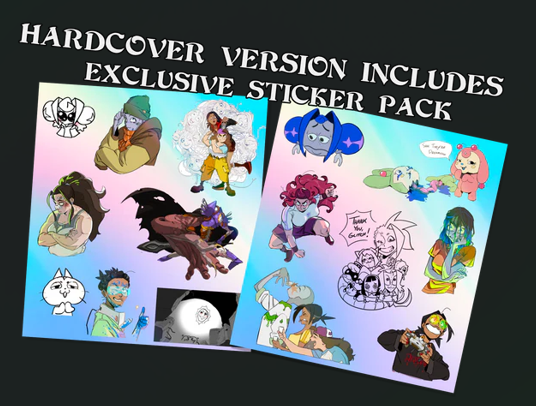
On reflection, I realized that a similar event had occurred with a popular indie animation studio, Glitch Productions. As part of the sale of their art book for the Knights of Guinevere pilot, they added a sticker sheet featuring comedic sketches and “meme-d” versions of their characters. One of these images took reference from the meme art made by the artist named “Egnillo.” Once they were aware of how their art was being used, they began posting to say they did not give the studio permission to use their for commercial purposes. The controversial part of this story is how the general public reacted to the artist’s publicized wishes for compensation or the removal of the sticker. Since this meme had become popular online and was recreated many times over by individual artists, a large population of responses to the drama condemned the artist for only making the use of their art an issue when money was involved, rather than taking down any and all of the fan art of their meme. However, both at the time and after hearing Dr. Inba Kehoe’s talk, I disagreed with the negative responses to the artist. Since this was the first time a large, profitable company used their work as a product, it makes sense to ask for at least compensation when they so blatantly copied their work. In comparison, fan art is non-profit and made by individual creators who don’t often make money from their work, removing the possibility of profiting from the theft of copyrighted works. Thankfully, this story has a happy ending for the artist, as Glitch Productions posted credit to Egnillo after the artist brought up their concerns.
This talk was also beneficial in explaining details about terminology and what kind of actions and punishments can be taken against those who violate copyright. For example, separating the terms publicly accessible from public domain helped give me a specific definition that I could then use to explain how, just because you are able to freely download something that’s publicly accessible, that doesn’t mean you have the same rights as someone who freely downloads a piece of content from the public domain. The talk was also interesting because of its explanation of fines. While you can get fined in general for any copyright violation, time and profit are important factors in determining how severe the final fine is. If a violation has occurred for a long time, then the fine will increase to account for the extensive period of the copyright being broken. However, the fine can be lower than average if the violation was non-profit. If someone were to try to profit from the violation, that would naturally justify a large fine, but if it’s something like a copyrighted image on a non-profit blog, then it’s likely that the fine will be lowered or even removed in its entirety as long as the copyrighted work is taken down. This is a good piece of information to know, as being aware of how the legal system is flexible in its punishment depending on the use of the copyright violation can help people be more wary of when and how they use copyrighted material to minimize punishments wherever possible.
Overall, this talk was very helpful for me and my project. Being able to hear someone casually talk about copyright rather than reading legal language and articles written in an academic style was a breath of fresh air for me in my research for my articles. Having someone explain in real time what real punishments and violations of copyright can be is a refreshing break from the often confusing language associated with copyright law. I would definitely like to organize a talk with Dr. Inba Kehoe at some point in the future to discuss my project, and I definitely feel like I missed out by not doing so earlier.